In response to the global challenge of carbon neutrality, the sanitary ceramics industry tends to focus on the upgrading of kiln burners or the treatment of tail gas. However, as an enterprise with both million-piece ceramic factory operation and top equipment research and development, our engineers believe that the real green energy saving should start from the source of the formula.This article will analyze in depth how plasticizers can cross the traditional rheological category and become the core driving force for extreme energy efficiency and green closed-loop production.
the empowerment of "thin-walled lightweight": from the source to reduce thermal mass.
The most direct way to reduce energy consumption is to reduce the total amount of material that needs to be heated. In recent years,Ultra-thin side basins and lightweight toilets have become high-end market trends, but this has brought huge mechanical challenges to high-pressure grouting.
Mechanical reconstruction of plasticizer: In the molding of thin-walled products, when demolding and trimming the mold line, the extremely thin unfired body is very easy to collapse or deform due to its own weight or slight stress. By introducing specific cross-linked plasticizers,We have increased the yield strength of the body by more than 30% without increasing the proportion of clay. Amazing energy-saving conversion rate: the improvement of the strength of the blank makes the wall thickness of the product safely reduced by 15%-20%. The reduction in weight means that the "thermal mass" that the kiln needs to be heated during the **firing stage is reduced in proportion.Combined with the precise control of Sunland's high-pressure grouting equipment, the comprehensive natural gas consumption of a single product can be directly reduced by about 12%. | 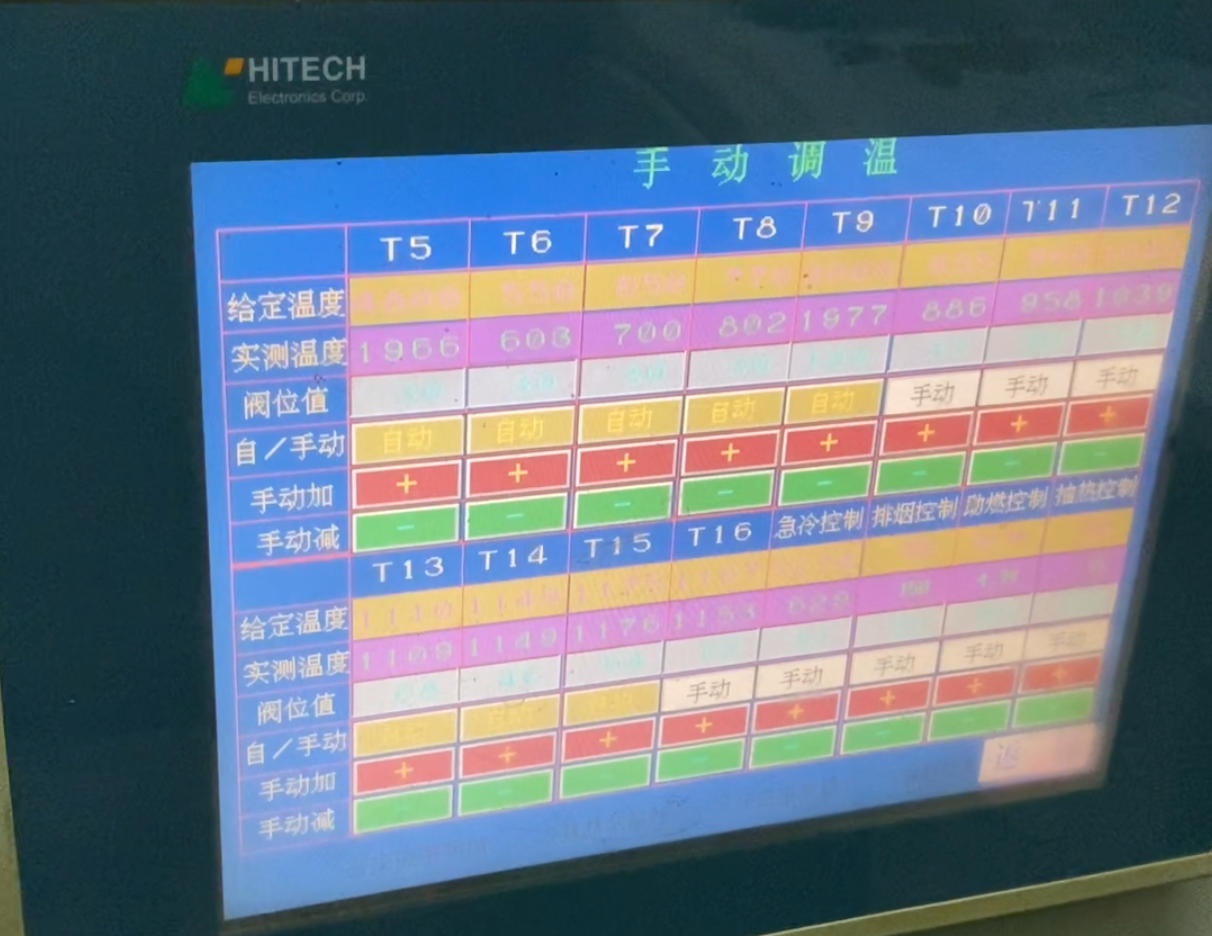 |
Second, the kiln waste heat recovery system "perfect partner"
The waste heat from the kiln cooling zone is pumped to the drying chamber for energy recycling. But this brings a fatal process pain point: the temperature and humidity of the waste heat gas stream fluctuate greatly,Easily lead to the body due to thermal shock and wind crack.
Increase thermal shock tolerance: The polymer chain of the plasticizer builds an elastic buffer network inside the body. When faced with an unstable waste heat gas flow, this elastic network is able to absorb the contraction stress caused by local severe water loss. The realization of green closed loop: relying on the strong anti-cracking performance of plasticizers,The plant could more aggressively use 100 percent of the kiln waste heat for direct drying and completely shut down the independent natural gas heater in the drying chamber. Senland's own 128 cubic meters shuttle kiln and tunnel kiln are based on this formula to achieve excellent heat preservation and waste heat utilization closed loop. | 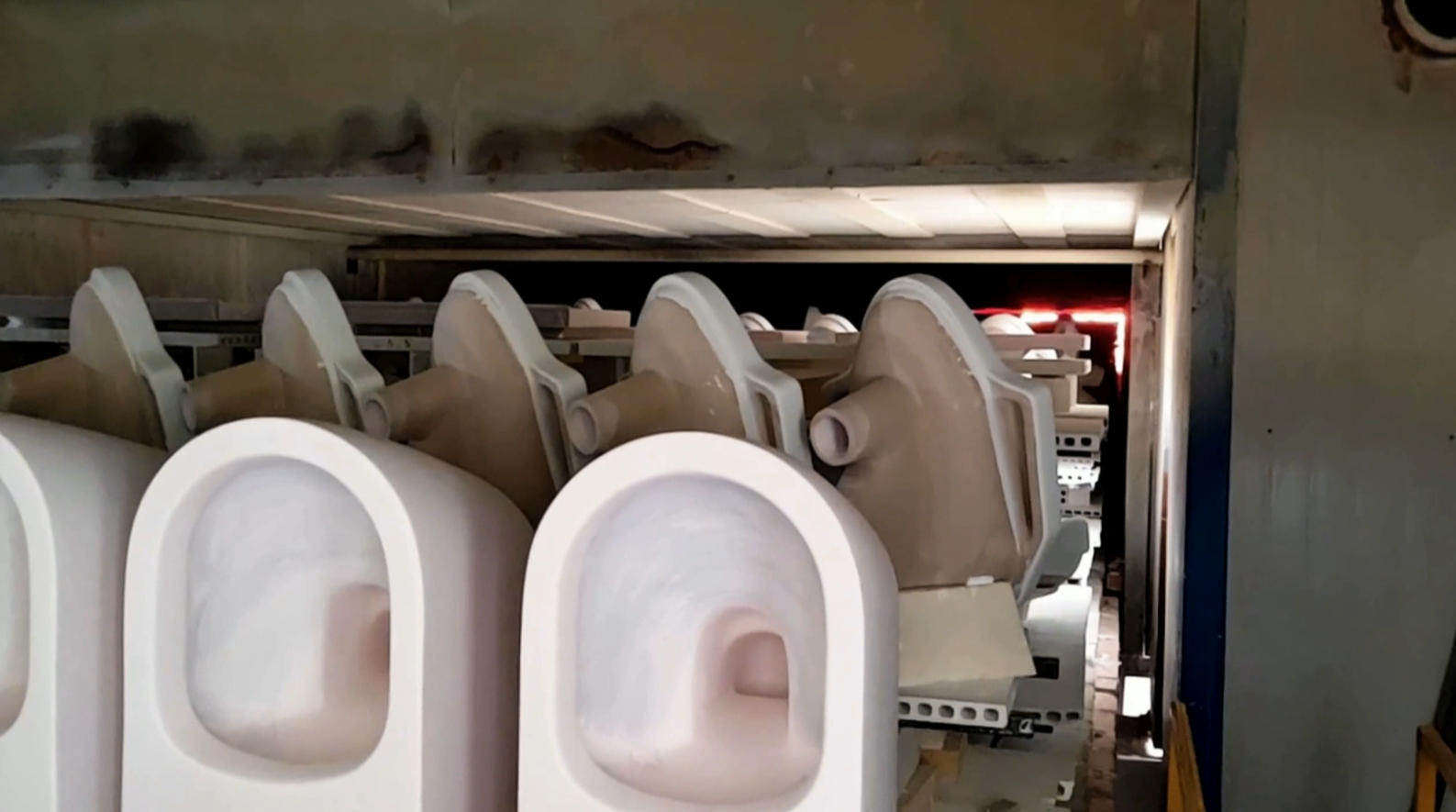 |
optimize the carbon exhaust curve,Eradicated "secondary energy waste"
Any product that needs to be repaired and re-fired is an extreme waste of energy.
Controlled oxidative decomposition: Inferior organic additives will burn violently at high temperatures, producing local high-pressure gases. If these gases are not completely discharged before the product forms a dense impermeable structure,Will cause serious Glaze defects.
Advantages of low-carbon plasticizers: We recommend the use of environmentally friendly plasticizers with step decomposition characteristics. They release carbon oxides smoothly between 300 ℃ and 600 ℃, and will not break through the glaze layer on the surface. This guarantees a high pass rate for the first firing at the chemical microscopic level,Eliminates the huge hidden energy loss caused by secondary firing.