
In the fiercely competitive, price-sensitive sanitaryware sector, Production Cost per Kilogram serves as the foundational metric for product pricing and operational assessment. To effectively enhance efficiency and reduce overall costs, continuous monthly analysis of expenses, item by item, is mandatory.
The fundamental calculation for this core metric is derived by summing the total expenditure on all manufacturing elements and dividing by the total weight of finished product (in kilograms) dispatched to the packaging line.
Cost per Kilogram =Total Spending on Production Elements/Total Kilograms Produced and Packaged
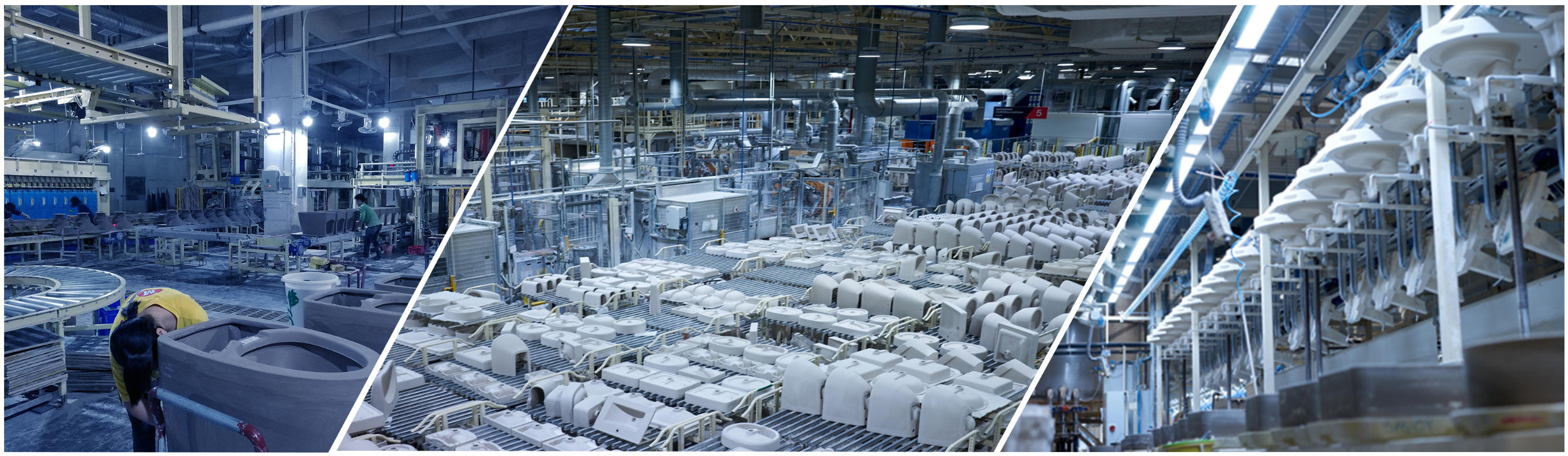
The comprehensive Production Cost can be dissected into seven strategic categories, encompassing nine detailed components:
I. Direct Material Costs (The Body and Glaze)
The initial and most fundamental cost factor involves the procurement and consumption of materials necessary for the ceramic Body and the surface coating. These are segregated into three distinct components for granular control:
Body Raw Material Cost: The cost of materials, such as Kaolin and Ball Clay, consumed monthly for preparing the Slip used in the Casting process.
Glaze Raw Material Cost: Expenditure on materials, including frits and Colorants, required for the Glaze Slurry applied during Glazing.
Plaster Mold Cost: The consumption cost associated with the Plaster Molds necessary for Slip Casting. Tracking these three separately is crucial for pinpointing where material expenditure is allocated on a per-kilogram basis.
II. Variable Conversion Costs: Labor and Energy
These costs represent the critical resources required to transform raw materials into the final product.
Manpower Cost (Labor Cost):Sanitaryware manufacturing is inherently labor-intensive, with this element often accounting for 30% to 40% of the total Production Cost. This figure includes all wages for production staff.
The cost methodology varies: stable companies employ permanent or contractual labor, while others may resort to the higher-cost piece-rate system, which often correlates with compromised quality control measures.
Energy Cost (Fuel and Power): This constitutes a major cost factor per kilogram, categorized as:
Fuel Cost: Expenditure on fuel sources required for the Firing process within the Kiln.
Power Cost: The electricity expense for machinery, lighting, and general operation.
Note that Energy Costs are highly volatile and show significant national variation; countries with substantial oil exports typically demonstrate a lower percentage in this category.
III. Supporting and Overhead Costs
These elements ensure the smooth operation, upkeep, and maintenance of the facility.
Maintenance Cost: This encompasses a wide range of expenses: machine spare parts, labor dedicated to maintenance, scheduled service contracts, outsourcing fees, and maintenance-related Consumables (e.g., oil). Implementing Preventive Maintenance strategies to avert emergency breakdowns is critical for reducing both the maintenance element and the overall Production Cost. Maintenance service costs, such as bi-annual air compressor servicing, should be amortized monthly to achieve an accurate cost element.
Consumable Cost: The expenditure on daily utility items, such as gloves, sponges, and scouring pads, used throughout the factory. Maximizing the effective utilization of these items and ensuring the provision of the correct Consumables (which contribute to a high Firing Yield) will directly reduce the overall Production Cost.
Water Cost: Includes all costs associated with water usage. This section often integrates costs related to water treatment and recycling efforts. Certain accounting structures may opt to combine this expense with the Maintenance Cost category.
Conclusion
In summary, the holistic Production Cost in sanitaryware encompasses nine essential sub-elements (Body Raw Materials, Glaze Raw Materials, Plaster Mold Cost, Labor, Fuel, Power, Consumables, Maintenance, and Water). Continuous, element-wise analysis and optimization of these nine components are fundamental to maintaining a competitive edge and improving the long-term operational efficiency of the manufacturing facility.