During the production of materials such as ceramic glazes, coatings, and adhesives, cracking during the drying process is a common and troublesome problem. Cracking not only affects the appearance quality of the product but also reduces its mechanical properties and service life. Plasticizers, as an important additive, effectively reduce cracking during drying by changing the physical and chemical properties of the material. This article will delve into the mechanism of action, type selection, and application considerations of plasticizers, and, combined with Sunlets Sanitaryware’s experience in glaze formulation, illustrate how to utilize plasticizers to improve product quality and production efficiency.
I. Causes of Cracking and Influencing Factors
Cracking during drying is mainly caused by the following aspects:
Uneven Moisture Evaporation: Different evaporation rates of moisture inside and on the surface of the material lead to increased internal stress and ultimately the formation of cracks. Shrinkage Stress: Volume shrinkage of the material during drying, if uneven or constrained externally, can create shrinkage stress, leading to cracking. Internal Defects in Material: Micro-pores, impurities, and other defects inside the material reduce its strength and toughness, making it prone to cracking. Environmental Factors: Temperature, humidity, wind speed, and other environmental factors can also affect the drying rate and stress distribution, thereby affecting the occurrence of cracking. | 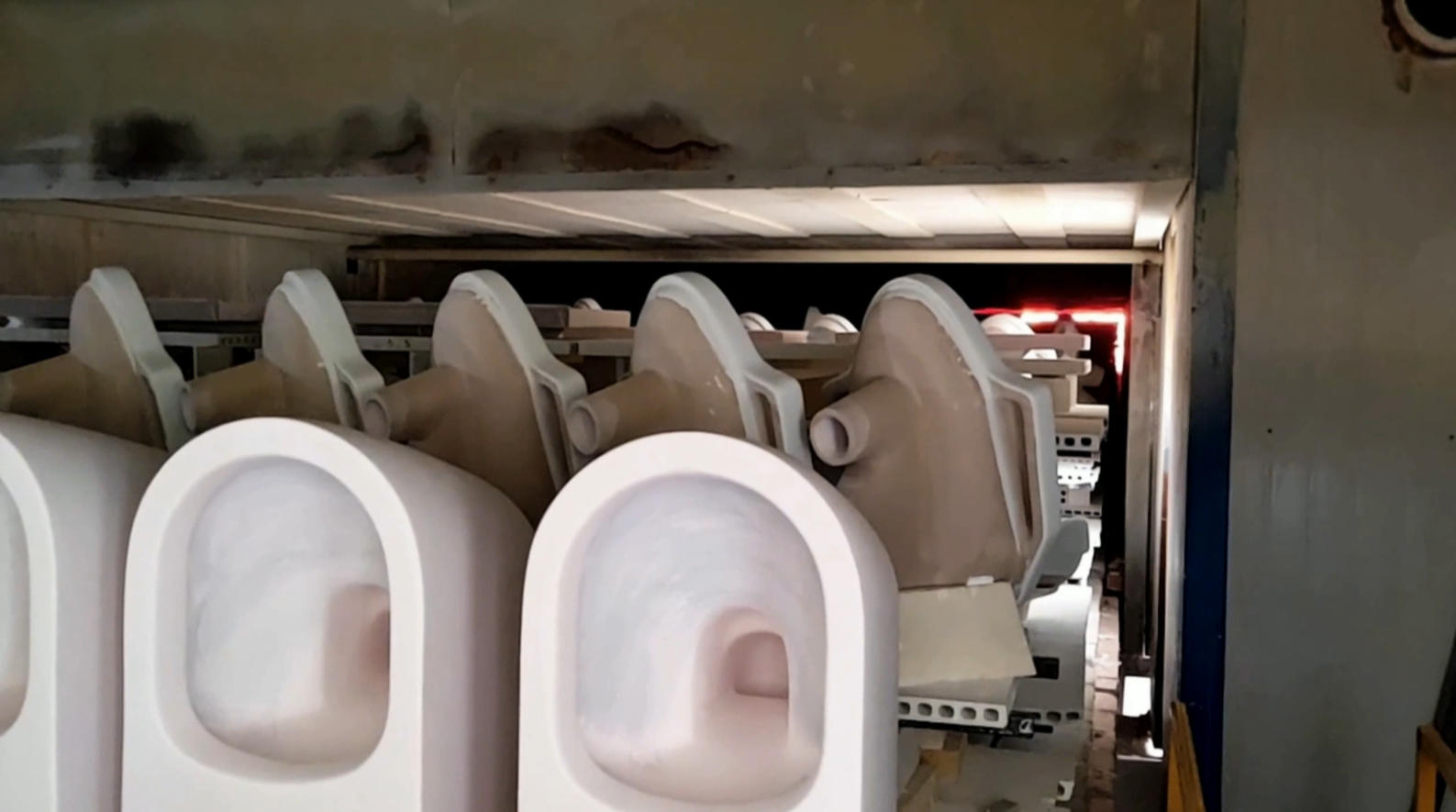 |
The impact of cracking is multifaceted:
Decreased Appearance Quality: Cracks destroy the smoothness and aesthetics of the product surface, reducing its commercial value.
Reduced Mechanical Properties: Cracks reduce the strength, toughness, and wear resistance of the product, shortening its service life.
Reduced Production Efficiency: Cracking leads to an increase in the scrap rate, increases production costs, and reduces production efficiency.
II. Mechanism of Action of Plasticizers
Plasticizers reduce cracking during drying through the following aspects:
Lowering the Glass Transition Temperature : Plasticizer molecules insert between polymer chains, weakening the intermolecular forces and lowering the glass transition temperature of the material, keeping it soft and ductile at lower temperatures.
Increasing Flexibility: Plasticizers make the molecular chains inside the material more flexible, increasing its flexibility and impact resistance, thereby reducing the risk of cracking.
Reducing Internal Stress: Plasticizers can absorb some internal stress, reduce stress concentration, and inhibit crack formation and propagation.
Improving Wetting: Plasticizers can improve the wetting of the material, promote uniform evaporation of moisture, and reduce cracking caused by uneven moisture evaporation.
III. Selection and Application Notes of Plasticizers
Common types of plasticizers include:
Phthalate Plasticizers: Low cost and good plasticizing effect, but have environmental and health concerns and are gradually being replaced. Fatty Acid Ester Plasticizers: Good biodegradability and environmentally friendly, but the plasticizing effect is relatively poor. Polyester Plasticizers: Have good heat resistance, water resistance, and solvent resistance, but are relatively expensive. Epoxy Plasticizers: Have a good plasticizing effect and weather resistance, but have some toxicity. Citrate Plasticizers: A bio-based plasticizer with good safety and environmental friendliness, suitable for applications with high environmental requirements. | 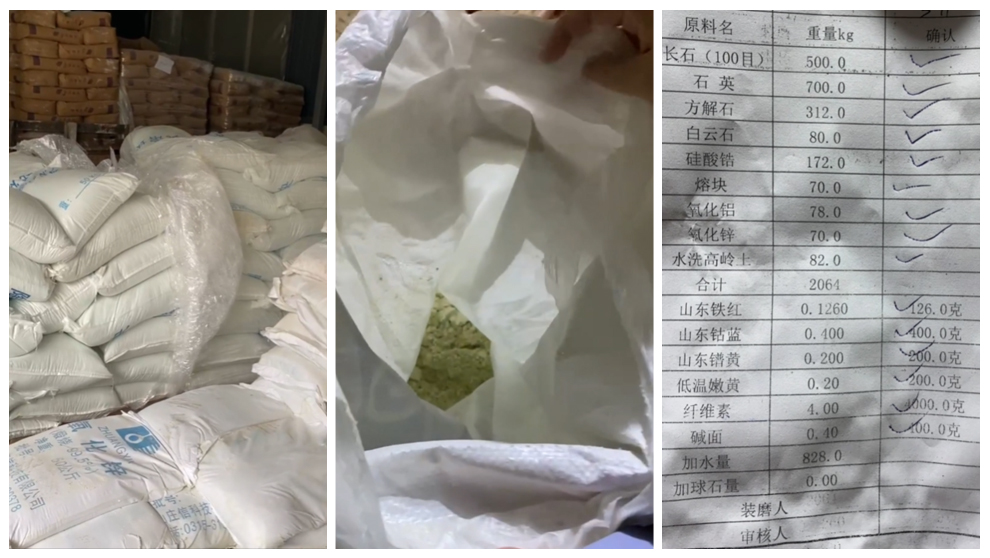 |
Choose the Right Type of Plasticizer: Different materials and application scenarios require different types of plasticizers.
Control the Amount of Plasticizer Added: Too little plasticizer added will not achieve the desired plasticizing effect, and too much will reduce the mechanical properties of the material.
Pay Attention to the Compatibility of Plasticizer and Material: Incompatibility between plasticizer and material can cause oil separation, precipitation, and other problems, affecting product performance.
Ensure Thorough Mixing: The plasticizer needs to be thoroughly mixed with the material to be evenly dispersed and exert the best plasticizing effect.
IV. Glaze Formulation Optimization Based on Plasticizers
In glaze formulations, According to different ceramic bodies and firing conditions. For example, for high-alumina ceramic bodies, we use polyester plasticizers to improve the anti-cracking performance and wear resistance of the glaze. At the same time, we optimize the amount of plasticizer added and the mixing process to ensure that the glaze is evenly dispersed, effectively reducing cracking during drying, and improving product quality and production efficiency.