Additives in building ceramics do not normally replace the main body raw materials. Their main role is to make ceramic mixtures easier and more consistent to process.
Dispersants, binders, plasticizers, lubricants, antifoams and glaze additives are used at different stages from wet milling and spray drying to pressing and glazing.
What Problems Do Dispersants, Binders and CMC Solve?
1. Dispersants reduce slurry water demand
Sodium silicate and polymeric dispersants reduce particle flocculation, allowing ceramic slurries to maintain workable viscosity at higher solids loading.
A study on industrial porcelain-tile slurries showed that sodium-silicate concentration significantly affects slurry flow and viscosity. Too little dispersant leaves agglomerates, while excessive dosage can also destabilize rheological behavior.
Lower water demand can improve spray-drying efficiency and reduce the amount of water that must be evaporated.
2. Binders improve green strength Binders such as PVA and CMC increase the mechanical integrity of spray-dried granules and pressed green tiles. Their main purpose is to reduce cracking and breakage during demolding, handling and glazing. However, excessive binder can harden granules, interfere with compaction and increase the organic load that must be removed during firing. The optimum dosage should therefore be judged by both green strength and fired quality. | 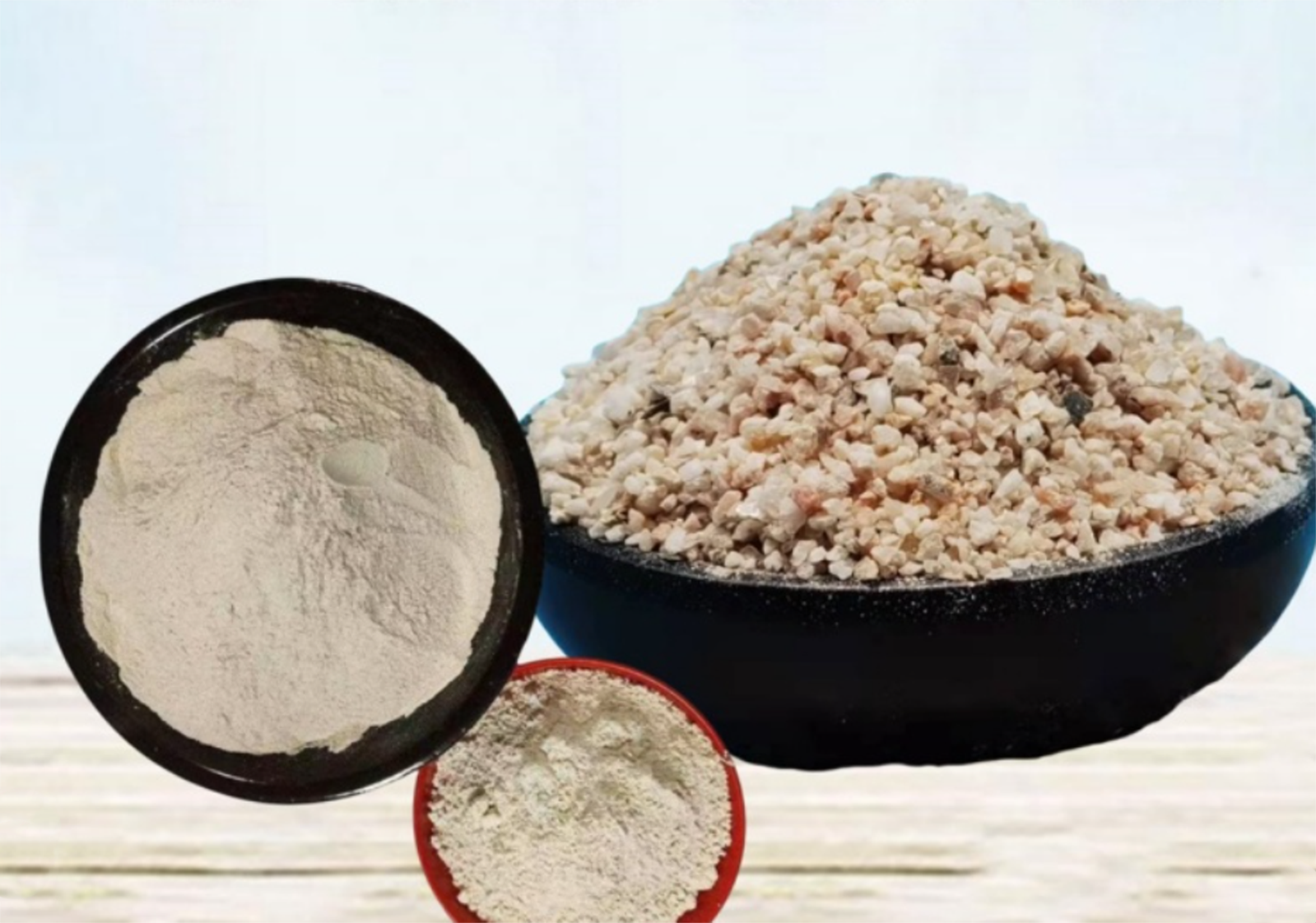 |
3. Plasticizers and lubricants improve pressing
Plasticizers help binders deform more easily, while lubricants reduce friction between ceramic granules, tooling and die walls.
Improved particle rearrangement can produce more uniform green density. This becomes particularly important for large-format and thin tiles because density gradients can later appear as uneven firing shrinkage or warpage.
4. Glaze additives stabilize application CMC, suspending agents, dispersants and antifoams are commonly used to control glaze viscosity, sedimentation, water retention and bubbles. Stable glaze rheology helps maintain application weight and surface uniformity. Additive dosage must still be matched to the glaze composition, application equipment and line speed. | 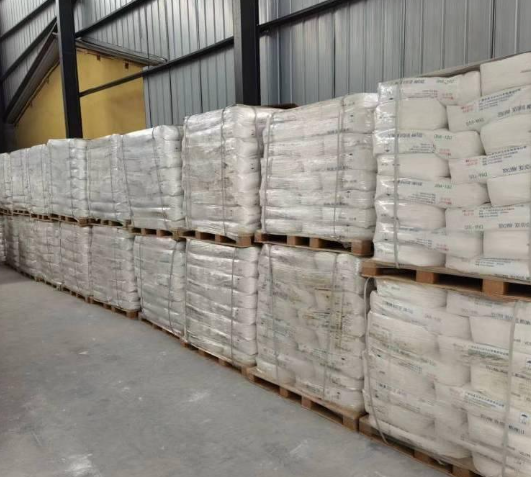 |
Four Additive Functions in Building Ceramics
Item | Requirement from the Source Draft |
1 | Define the processing problem before selecting an additive |
2 | Test several dosage levels rather than relying on one recipe |
3 | Measure viscosity, green strength, density and fired properties together |
4 | Check whether improved processing creates new burnout or firing defects |
5 | Verify final tile absorption and density using ISO 10545-3. |
A 2025 industrial floor-tile study tested a phosphate–sodium-silicate additive at levels up to 0.50%, with the laboratory optimum reported at 0.25%. This illustrates that additive performance normally has an optimum range rather than a simple “more is better” relationship.
Conclusion
The real value of additives in building ceramics is to widen the stable manufacturing window. A good additive system improves slurry preparation, pressing or glazing at the lowest effective dosage without creating additional firing defects or unnecessary cost.
FAQ
Q1: Are additives essential in every ceramic tile formulation?
A: No. Their use depends on the raw-material system and the processing problem that needs to be solved.
Q2: Does more dispersant always reduce viscosity?
A: No. Most systems have an optimum dosage, after which rheology may deteriorate.
Q3: How should additive performance be evaluated?
A: Evaluate processing stability, green-body properties and fired-product performance together rather than relying on one laboratory value.