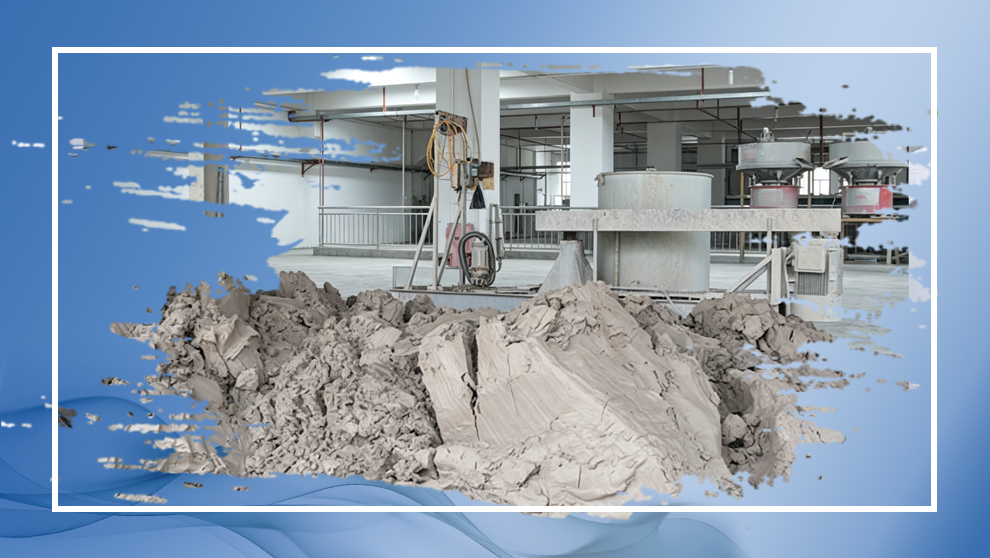
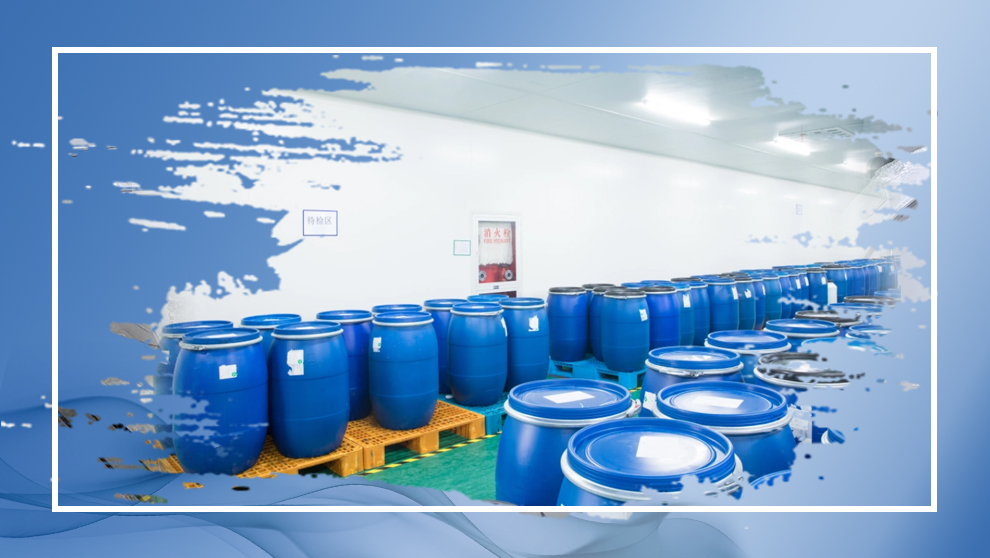
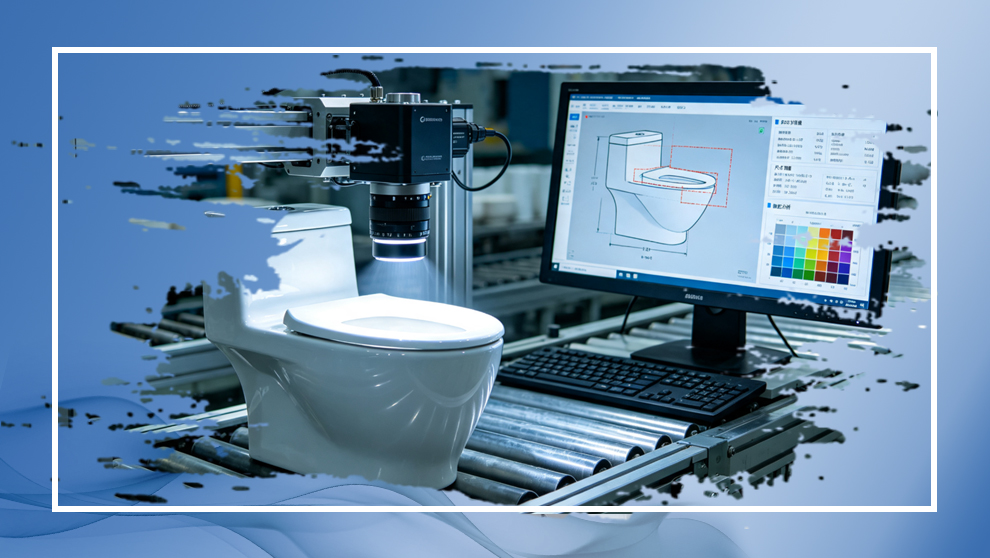
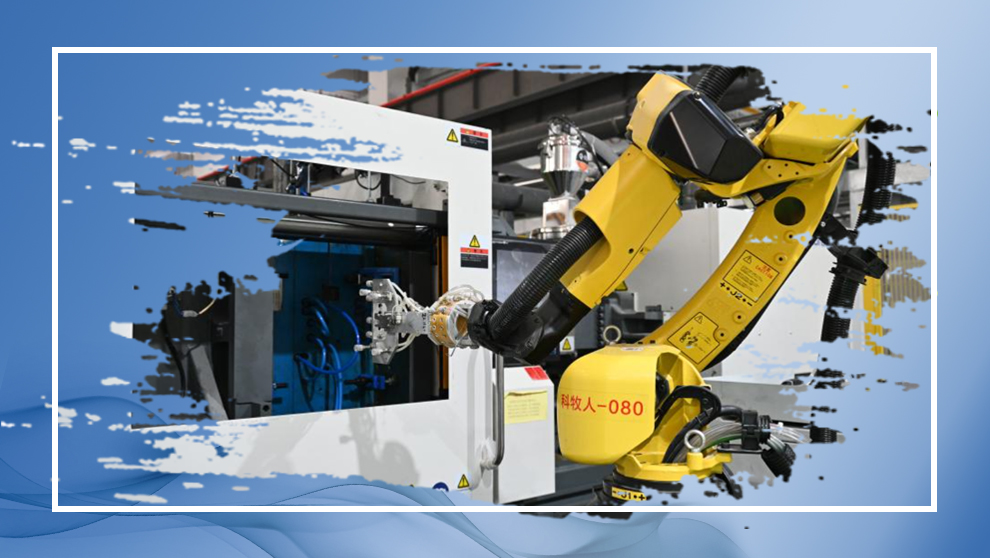
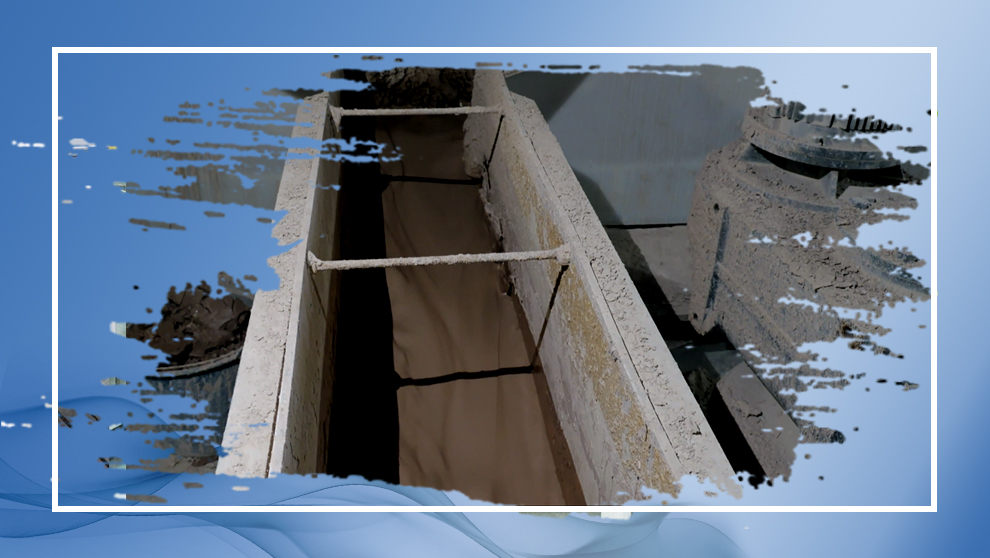
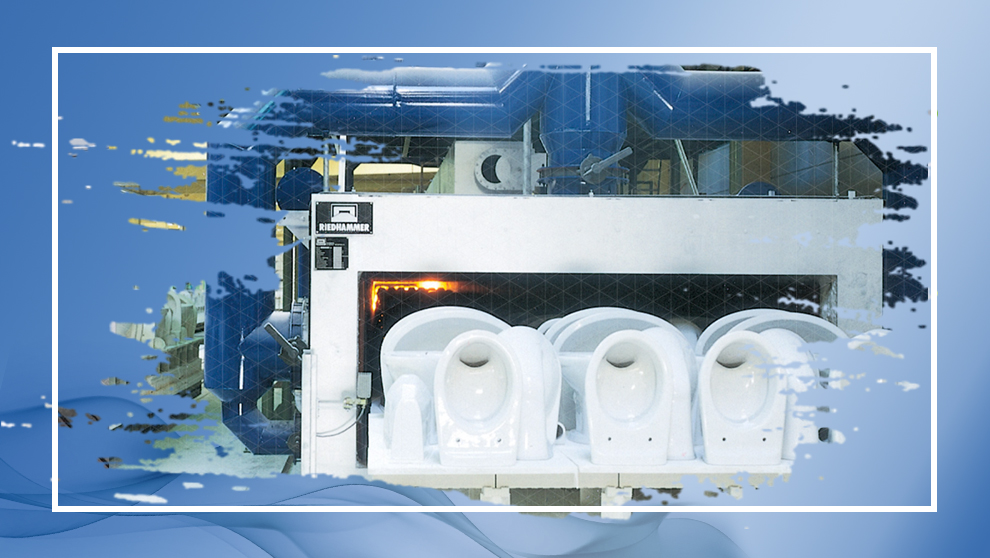
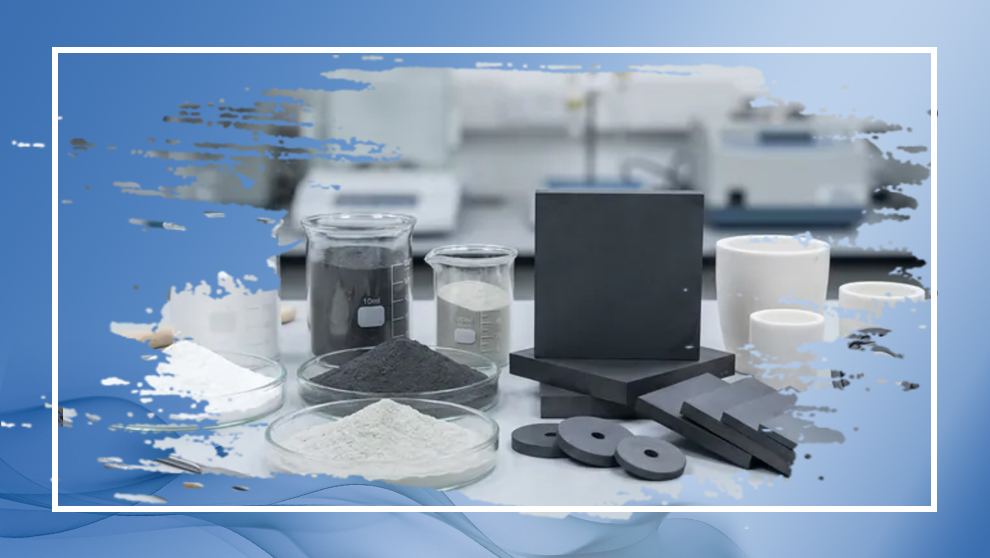
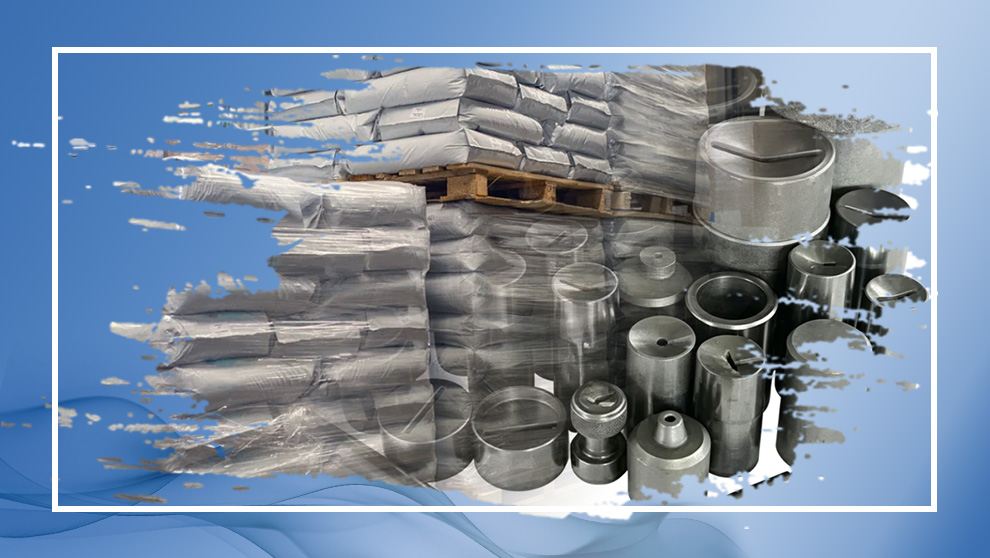
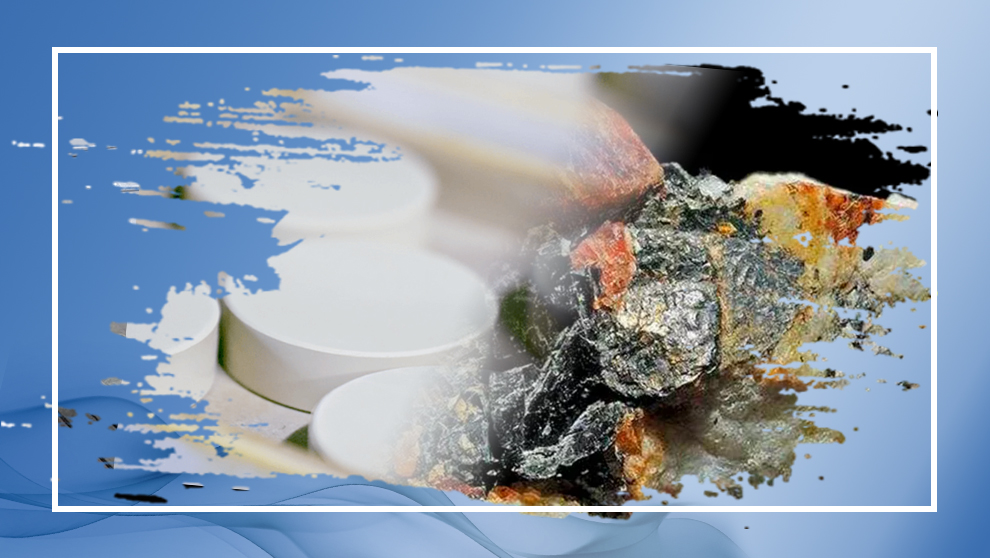
This extreme control over PSD ensures that finished products possess superior flexural strength and wear resistance. By monitoring PSD fluctuations in real-time, we eliminate physical property discrepancies caused by batch instability.Quality Commitment: We employ advanced laser diffraction particle size analysis to conduct grading verification on every batch of raw material, ensuring finished ceramics meet stringent industrial-grade density specifications even in complex geometries.
With the growing importance of ESG metrics in global markets, green additives have become an industry consensus.Ceramics and Sanitary Ware Industry widely utilizes bio-based defoamers and sodium-free dispersants. These additives not only exhibit superior de-aeration effects during casting but also leave no harmful residues after Firing, contributing to higher Environmental Compliance.
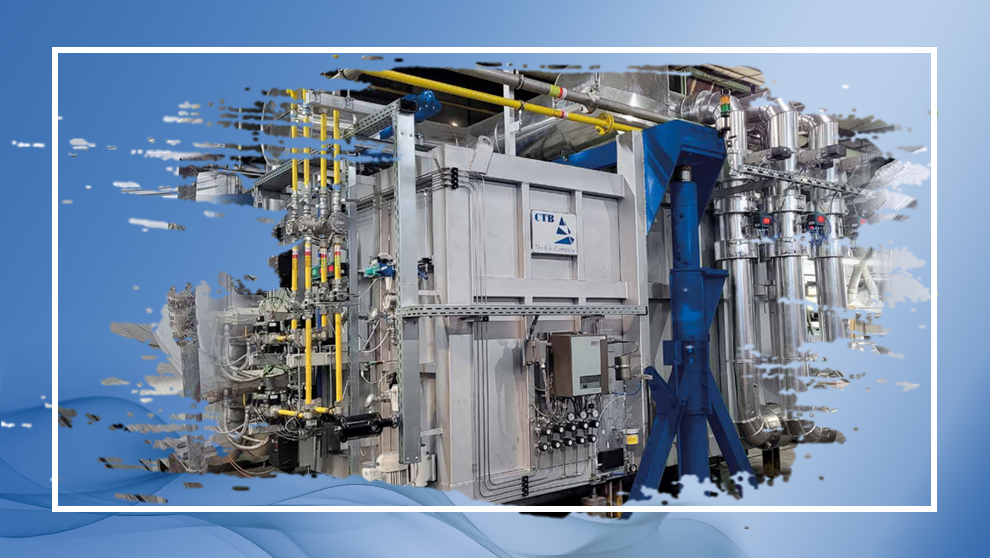
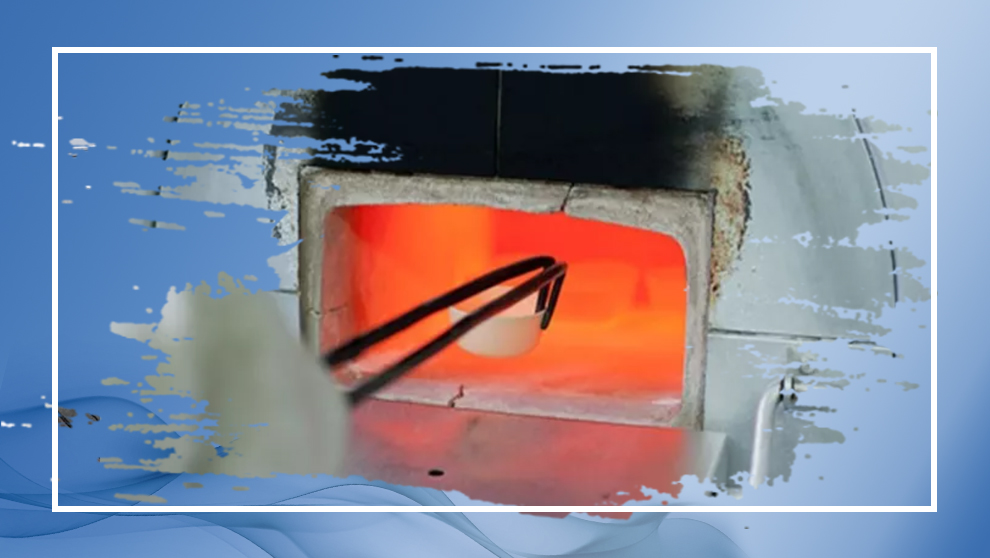
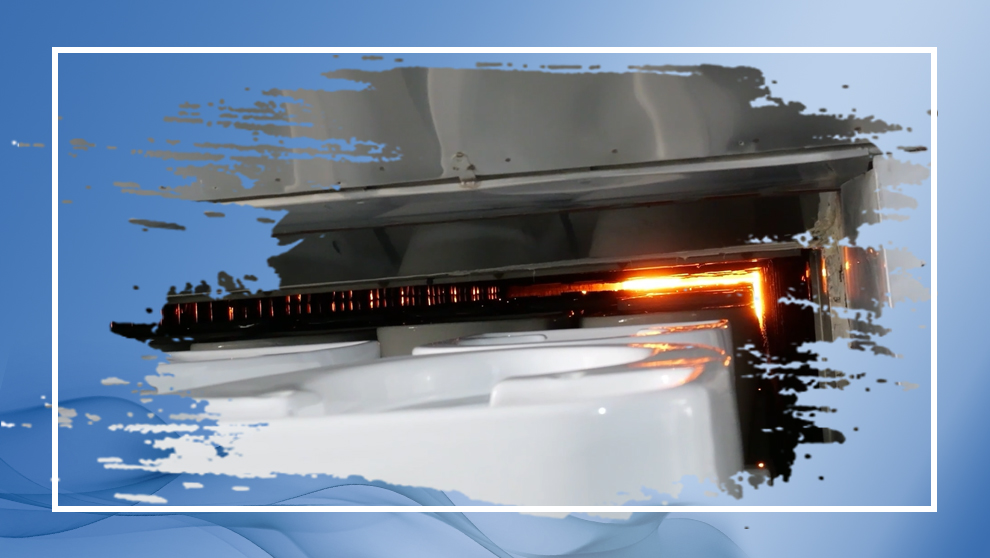
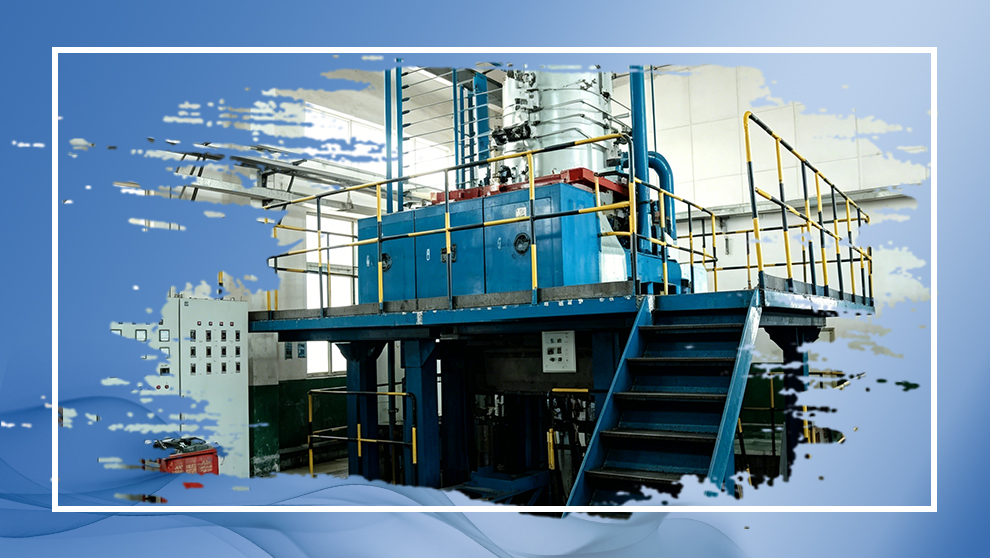
CTB’s H₂ bell kiln sends a clear message to the ceramic industry: low-carbon firing is becoming an industrial reality. The future of ceramic kilns will likely be defined by fuel flexibility, advanced combustion control, improved thermal efficiency and stronger integration with digital process monitoring.
The strength of AI lies in speed and pattern recognition. It can process large amounts of information, compare similar cases and provide technical references much faster than manual research. For ceramic factories facing pressure from labor shortages, this can be highly valuable. AI may support quality analysis, process optimization, maintenance planning and training.
The future of ceramic manufacturing will not be a choice between AI and people. The more realistic direction is cooperation. AI can help collect knowledge, accelerate problem analysis, support digital process control and make training more efficient. Human experts will continue to define goals, create new process routes, judge risks and take responsibility for final decisions.
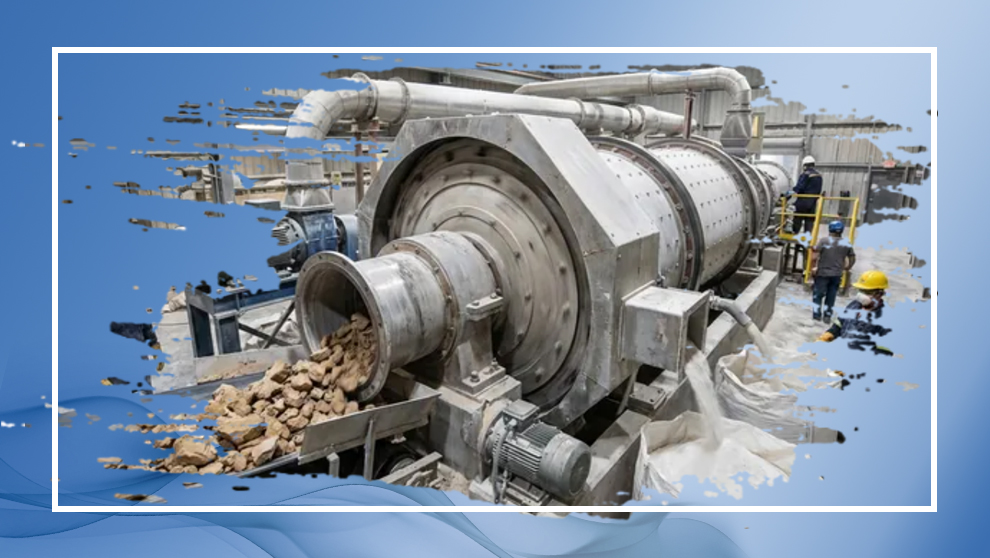
By introducing specific Dispersants into high-speed stirred ball mills to alter the Zeta potential of particle surfaces, we effectively break down agglomerations caused by Van der Waals forces.According to research from Ceramics International, during slurry homogenization, controlling the impeller tip speed at 10-15 m/s can reduce the dispersion coefficient of sub-micron additives by over 25%.
Firing is about more than just filling; it involves the elimination and suppression of pores.Utilizing specific lattice-modifying additives can effectively suppress Abnormal Grain Growth (AGG). Studies show that appropriate doping with rare-earth elements can reduce grain boundary migration by over 15%, allowing sufficient time for micro-pores to diffuse and be eliminated within the liquid phase, resulting in superior densification.Production Practice: In our firing experiments for Sanitary Ceramics, TopTime Ceramics has significantly enhanced the hardness and thermal shock resistance of green bodies by incorporating nano-scale zirconia particles.
Ball milling serves not only to "grind" but also to form a stable suspension system through the addition of Electrolytes.The surface charge characteristics of raw materials determine dispersion stability during the milling process. Excessive organic matter adsorption on particle surfaces can lead to a "viscosity surge" caused by over-grinding in the mid-to-late stages of milling.
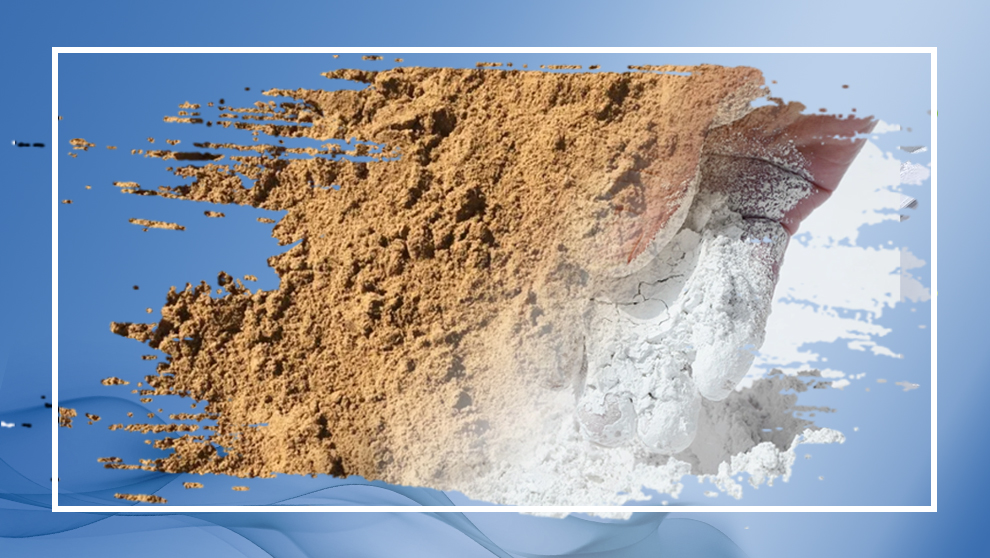
High-purity powders directly determine whether the final product can achieve a complete Vitrification structure.Mechanical Property Optimization: High-purity raw materials reduce pore formation during sintering. Data shows that sanitary ceramics produced with ultra-pure powders exhibit a flexural strength increase of 15% - 20% compared to conventional raw materials.
When preparing high-sensitivity functional ceramics, TopTime Ceramics utilizes computer simulation to predict the charge compensation mechanisms of dopant ions, ensuring that the Green Body achieves highly consistent crystal orientation after Firing, thus ensuring stable performance in the final product.
To overcome the intrinsic brittleness of ceramic materials, we employ a "dispersion toughening" strategy by incorporating specific proportions of zirconia (ZrO₂) particles into the Formulation.Toughening Mechanism: Utilizing the "phase transformation toughening" of zirconia under stress, micro-cracks within the material are compressed and closed at their tips.Technical Data: Data shows that introducing 5%-10% of the toughening phase improves impact wear resistance by over 20% compared to pure alumina materials.
Characterization: Beyond transmittance, performance evaluation must focus on refractive index consistency across different wavelengths and microstructural uniformity.TopTime Standards: When producing high-transparency ceramics, we prioritize not only optical metrics but also surface defect-free results via assisted processes like Automated Glazing Robot, eliminating external scattering risks and providing stable solutions for high-end optical applications.
Non-uniformity in particle size is the primary culprit behind internal stress and deformation in ceramic green bodies.Mass Transport Pathways: Fine particles form sintering necks during the initial stage via surface and volume diffusion, while an appropriate amount of coarse particles acts as a "skeleton," suppressing collapse during total shrinkage.
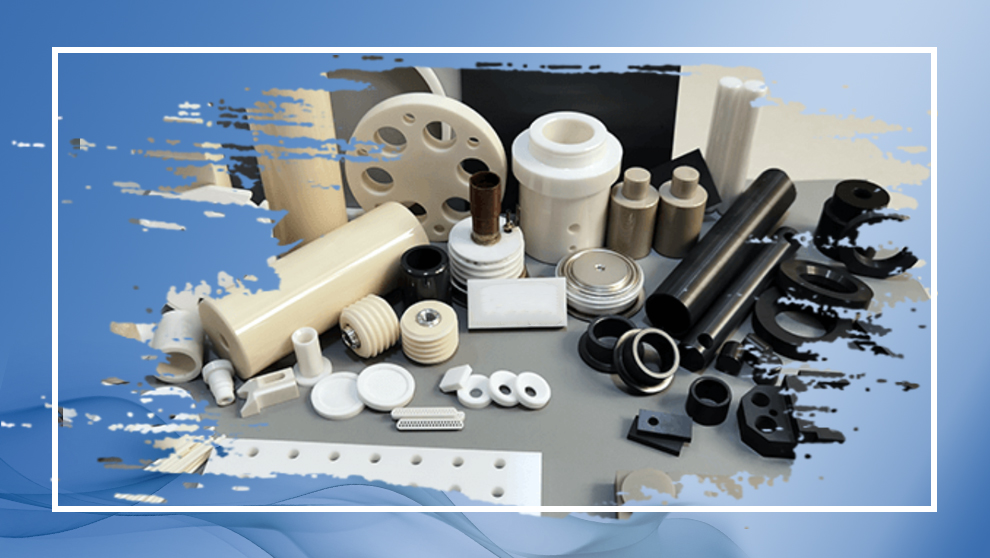
Precision application of Electrolytes controls the p otential balance on powder surfaces, ensuring that the Casting Slip achieves micron-level filling accuracy in intricate molds. Custom mechanical ceramics often involve complex internal channels. Our advantage lies in balancing high solid content (68%-72%) with low viscosity, providing the technical foundation for producing large, highly complex FFC structures.
The R&D of electronic ceramic powders has entered an era of "atomic-level" competition. Only by mastering high-purity formulations and precision processing can enterprises secure a leading position in the global high-end supply chain.
The development of low-conductivity ceramics demonstrates Sunlets' mastery over material fundamentals. As a global leader in OEM/ODM services, we empower our partners to differentiate in the energy-saving and comfort-focused markets through deep material innovation.
We incorporate trace stabilized Zirconia particles into the slip of specific high-end products. During the cooling stage of Firing, Zirconia undergoes a phase transformation from tetragonal to monoclinic. This creates localized volumetric expansion, producing "micro-cracks" that absorb energy from advancing main cracks, thereby preventing catastrophic failure.R&D Strength: With a deep background in raw material R&D, Sunlets' founding team derived these precise ratios through thousands of thermal cycles in our own Kilns.
The morphology of the powder dictates the rheology of the Casting Slip.Sub-micron and Nano-powders: Utilizing narrow-distribution sub-micron powders significantly lowers the temperature required for Vitrification.Original Insight: The "ideal" powder should feature a bimodal or multimodal distribution. This allows finer particles to fill the interstices between larger ones, increasing the Green Body relative density to over 65% of the theoretical limit. This reduces firing shrinkage and enhances dimensional precision.
Compared to traditional gypsum mold casting, HPC increases the Slurry solids content to 68%-72%.Minimal Porosity: The high pressure forces particles into an extremely tight arrangement, ensuring perfect Vitrification in the Kiln. This results in a water absorption rate typically below 0.2%, far superior to the industry standard of 0.5% (referencing ASTM C373). Low porosity means acidic or alkaline solutions cannot penetrate the body.
The medical sector (implants, surgical tools) is demanding higher fatigue resistance and long-term stability.Alumina-Toughened Zirconia (ATZ): Premiering at ceramitec 2026, new medical-grade ATZ materials exhibit a bending strength of 993 MPa.By combining the best properties of Alumina and Zirconia, these novel compositions solve the low-temperature degradation issues of pure zirconia. This makes them ideal for serial production using Ceramic Injection Molding (CIM), offering high ROI for complex orthopedic components.