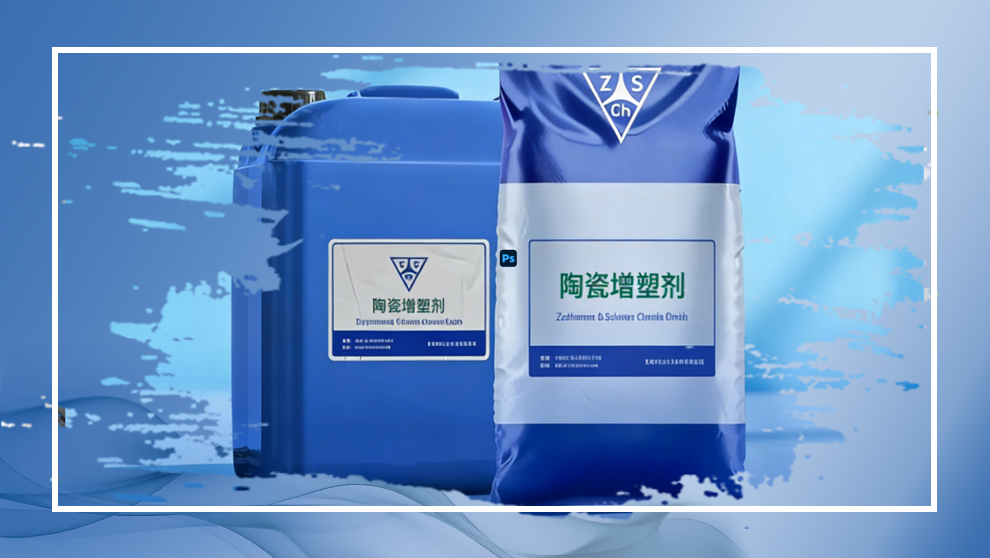
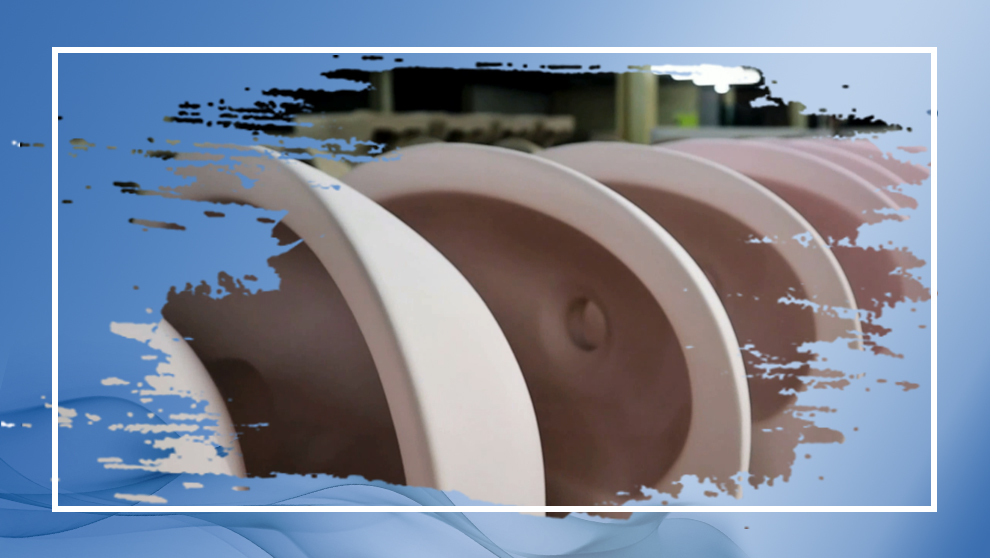
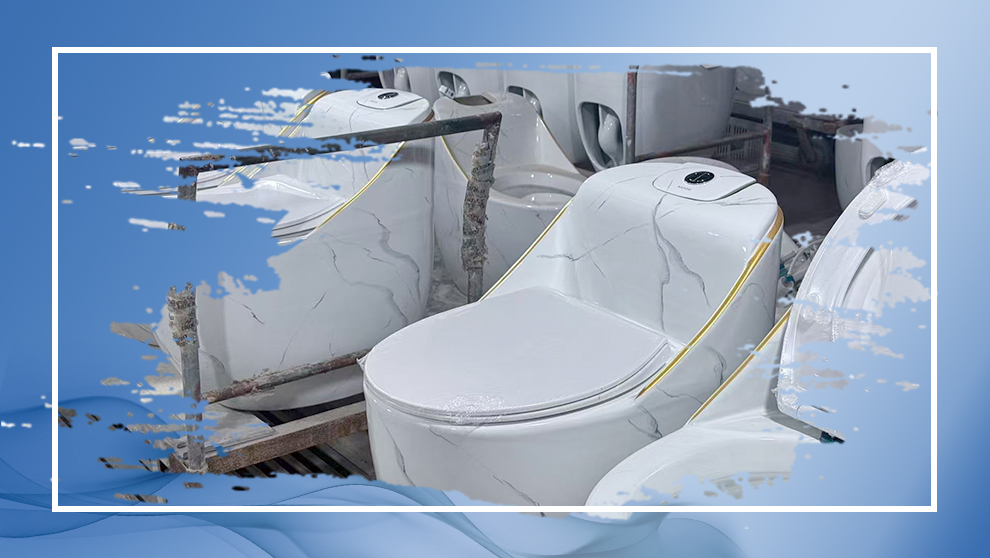
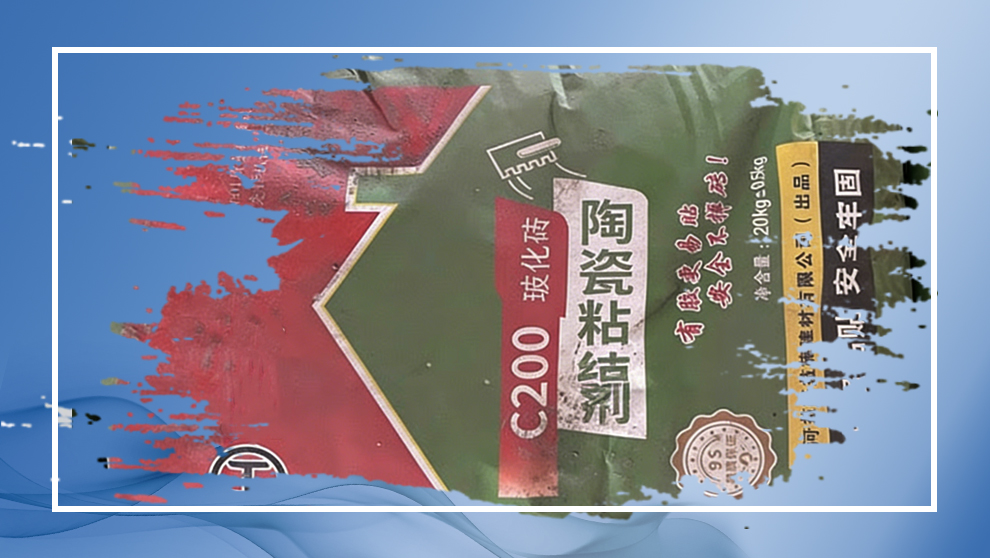
Compound different types of plasticizers to take advantage of their respective advantages and achieve better flexibility. For example, a combination of PVA and CMC can balance flexibility and environmental protection. Optimize the plasticizer dosage based on the ceramic formulation and forming process, balancing flexibility and other performance indicators.
Choose the appropriate plasticizer type and dosage based on the specific ceramic material. Minimize plasticizer dosage while meeting workability requirements to reduce its impact on drying performance. Combine different types of plasticizers to leverage their respective advantages and optimize drying performance. Combine the use of plasticizers with optimized drying parameters such as temperature, humidity, and air velocity to achieve the best drying effect.
Improving Interparticle Lubricity: Plasticizers form a lubricating layer between particles, reducing interparticle friction and making particles easier to slide, reducing the plastic viscosity of the slip.Changing Particle Dispersion State: Plasticizers can promote particle dispersion, prevent particle agglomeration, and form a more uniform and stable slip system.
Reduce Interparticle Friction: Plasticizer molecules form a lubricating layer between particles, reducing interparticle friction and making the body easier to deform.Enhance Interparticle Bonding: Plasticizers interact with particle surfaces, enhancing interparticle bonding, increasing body strength and toughness.Improve Wetting: Plasticizers improve the wetting of the liquid phase (such as water) on solid particles, promoting uniform distribution between particles and increasing body plasticity.Delay Solidification Rate: Some plasticizers can delay the solidification rate of the slurry, extending processing time and improving production efficiency.
Although the cost of traditional sodium silicate (water glass) is low, the sodium ion in it is in the long-term High-Pressure grouting (High-Pressure Casting) cycle,Crystals are easily precipitated in the pores of the resin mold, resulting in mold clogging and reduced drainage performance. Sunland's recommendation: In the high-end production line, we recommend the use of low-sodium or sodium-free organic decoagulants. This can not only prolong the service life of the mold by 15%-20%, but also reduce the excessive introduction of flux in the subsequent Firing stage,Reduce the deformation rate of the product.
We recommend the use of environmentally friendly plasticizers with step decomposition characteristics. They release carbon oxides smoothly between 300 ℃ and 600 ℃, and will not break through the glaze layer on the surface. This guarantees a high pass rate for the first firing at the chemical microscopic level,Eliminates the huge hidden energy loss caused by secondary firing.
In over-dispersed systems lacking plasticizer support, the green body tends to develop microscopic closed pores during drying. During the Firing stage, trapped air within these closed pores cannot escape. As the body undergoes Vitrification, this entrapped air is sealed beneath the surface, often erupting as severe Glaze Slip application issues or post-firing Pinhole / Blister flaws.
Selecting and dosing plasticizers is an exercise in equilibrium. It requires a deep understanding of the material's behavior from the Casting Slip phase through to the final Kiln exit. For global partners seeking to optimize their yield, Sunlets provides not just the High-Pressure Casting equipment, but the chemical expertise to ensure every Green Body is a masterpiece of durability.
Sunlets Sanitaryware scientifically selects and applies plasticizers according to different ceramic bodies and firing conditions. For example, for high-alumina ceramic bodies, we use polyester plasticizers to improve the anti-cracking performance and wear resistance of the glaze. At the same time, we optimize the amount of plasticizer added and the mixing process to ensure that the glaze is evenly dispersed, effectively reducing cracking during drying, and improving product quality and production efficiency.
As an essential component of ceramic formulations, binders can significantly improve these properties by adjusting the physical and chemical characteristics of the body. This article presents several practical cases demonstrating the effectiveness of binders in enhancing ceramic body workability.
Biodegradable binders are those that can be decomposed by microorganisms in the natural environment, eventually breaking down into harmless substances.
Different types of ceramics have different performance requirements for binders.Different forming processes have different requirements for the rheology and bonding force of binders. The decomposition temperature of the binder should be lower than the firing temperature.
TopTime Ceramics has advanced firing processes and rich practical experience, and can provide professional firing scheme design and technical support to help customers optimize firing processes, improve product quality, and enhance production efficiency.
TopTime Ceramics has been deeply rooted in the ceramic field for many years, possessing a professional R&D team and rich practical experience. We can provide customized binder solutions for different forming processes, helping customers optimize their production processes, improve product quality, and enhance production efficiency.
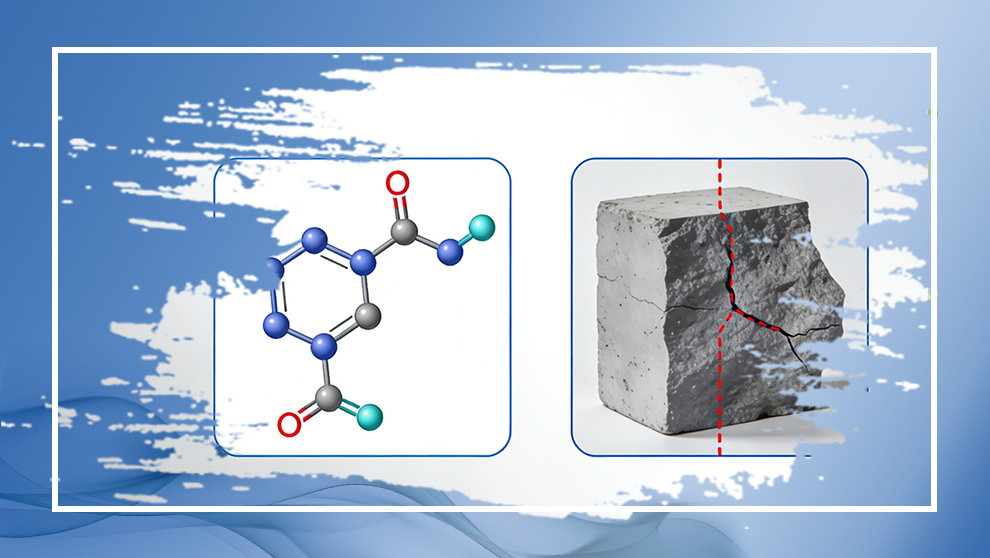
As an important component of ceramic bodies, binders can effectively enhance crack resistance through their unique physicochemical properties. This article will delve into the mechanisms and methods by which binders improve the crack resistance of ceramic bodies.
Traditional production processes often rely on solvent-based or high-temperature solid binders, leading to high VOC emissions, complex processes, and significant energy consumption. With increasingly stringent environmental regulations and growing demand for green manufacturing, water-soluble binders are gaining significant attention in the industry.
In the global landscape, the sanitaryware industry is undergoing a phase of continuous evolution. In recent years, consistent shifts have been observed across product design, technological integration, manufacturing processes, and market structures.
TopTime Ceramics leverages decades of experience in ceramic formulation and process control. Our advanced materials and technical support assist clients in optimizing binder usage, achieving minimal drying shrinkage, and maximizing production efficiency. We provide customized solutions tailored to specific product requirements and manufacturing capabilities.
TopTime Ceramics has been deeply rooted in the industry for over twenty years and is a long-term partner of leading companies such as JOMOO, HUIDA, and Monopy. We provide end-to-end solutions from pre-sales planning to after-sales service, and possess profound expertise in the fields of special ceramics, refractory materials, and quartz products.
For ten years, TopTime Ceramics has earned the continued trust of industry giants through its professional services. From the particle formulation of special ceramics to antibacterial solutions for glaze corrosion prevention, we have helped our clients solve production problems such as "deterioration, defects, and instability" through technological breakthroughs. Choosing TopTime Ceramics means choosing a more uniform glaze surface, a higher pass rate, and a more reliable supply chain partner.